

34 courses written for town and parish councils
Each course has its own page: who it is for, how long it takes, its lessons and the law it rests on.
Safety and wellbeing
15 courses
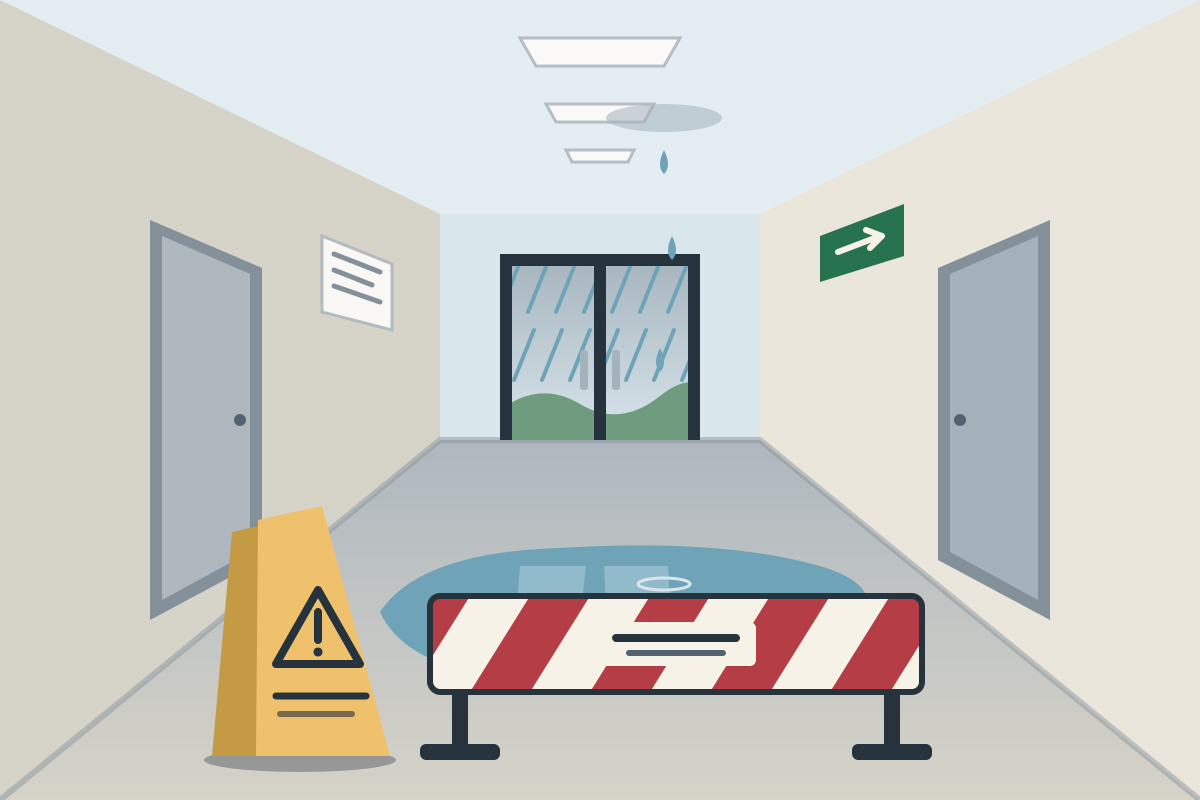
 Health and Safety at WorkRecognise hazards, use the controls supplied and raise concerns in council work.

 Risk Assessment and Managing ContractorsAssess the risks of a council task or event, choose controls in the right order, record and review them, check a contractor’s own assessment, and carry out the council’s duties as a client under CDM 2015.
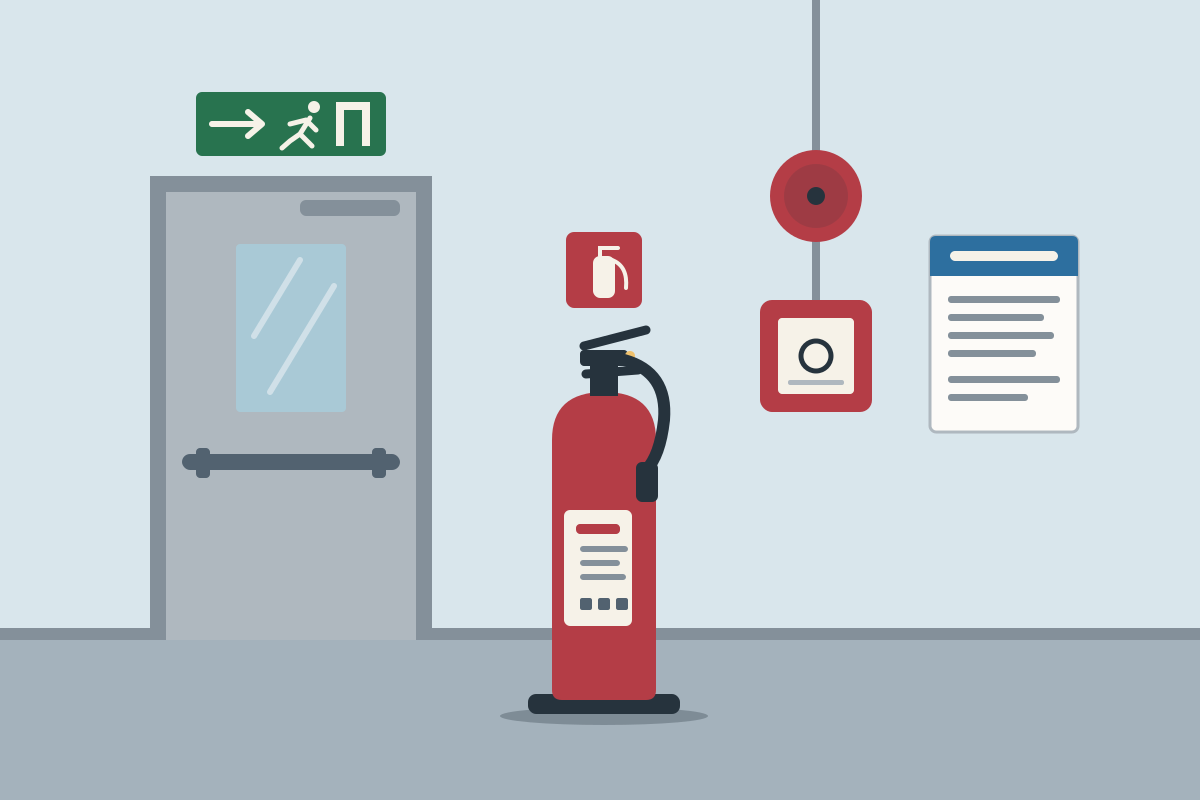
 Fire Safety: Prevention and ResponsePrevent fires, raise the alarm, leave safely and help everyone get out, within the limits of your role.
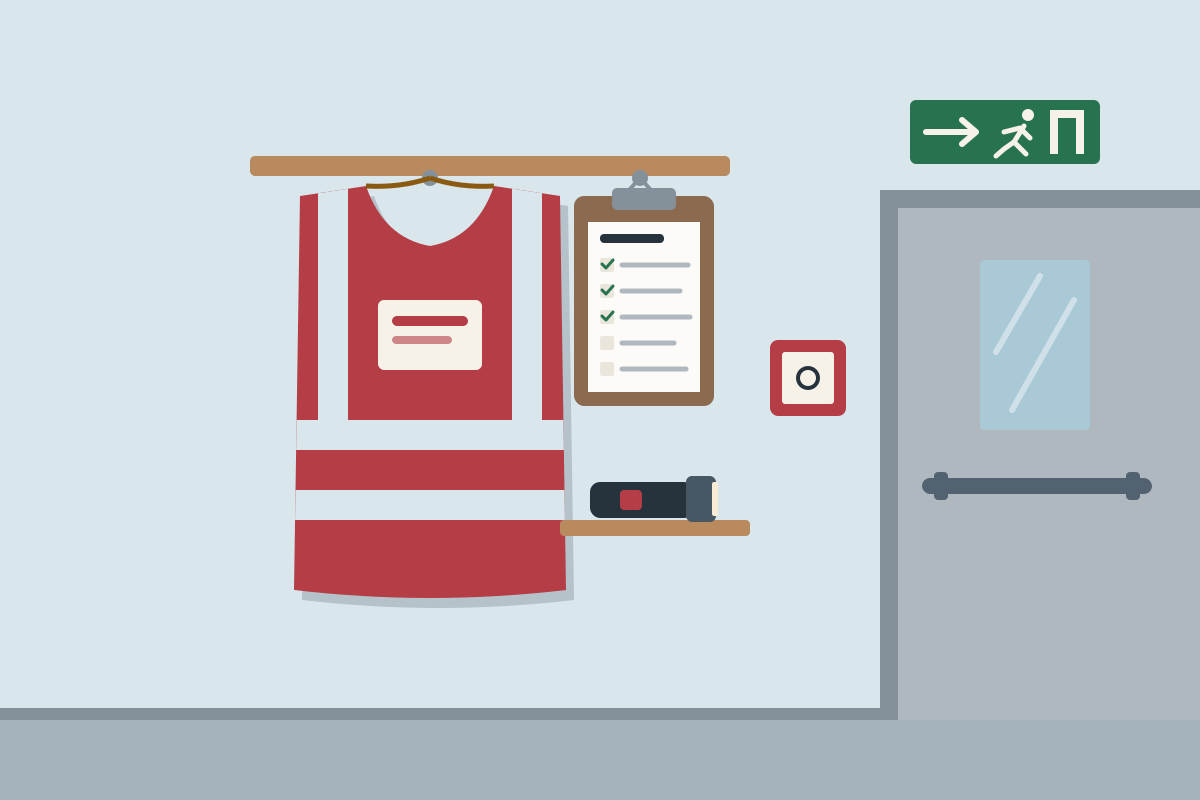
 Fire WardenLearn the fire warden duties your council may give you: routine checks, clearing your area when the alarm sounds, helping people who need it, accounting for people at the assembly point and reporting anyone missing, and where the law places the duties and where your role stops.

 Manual HandlingRecognise risky lifting and carrying, check the whole task, use the help supplied, and stop and report when it is not safe.

 DSE and Workstation SafetySet up a screen workstation in the office, at home or on the move, vary your work, report discomfort and know when you can have an eye test.
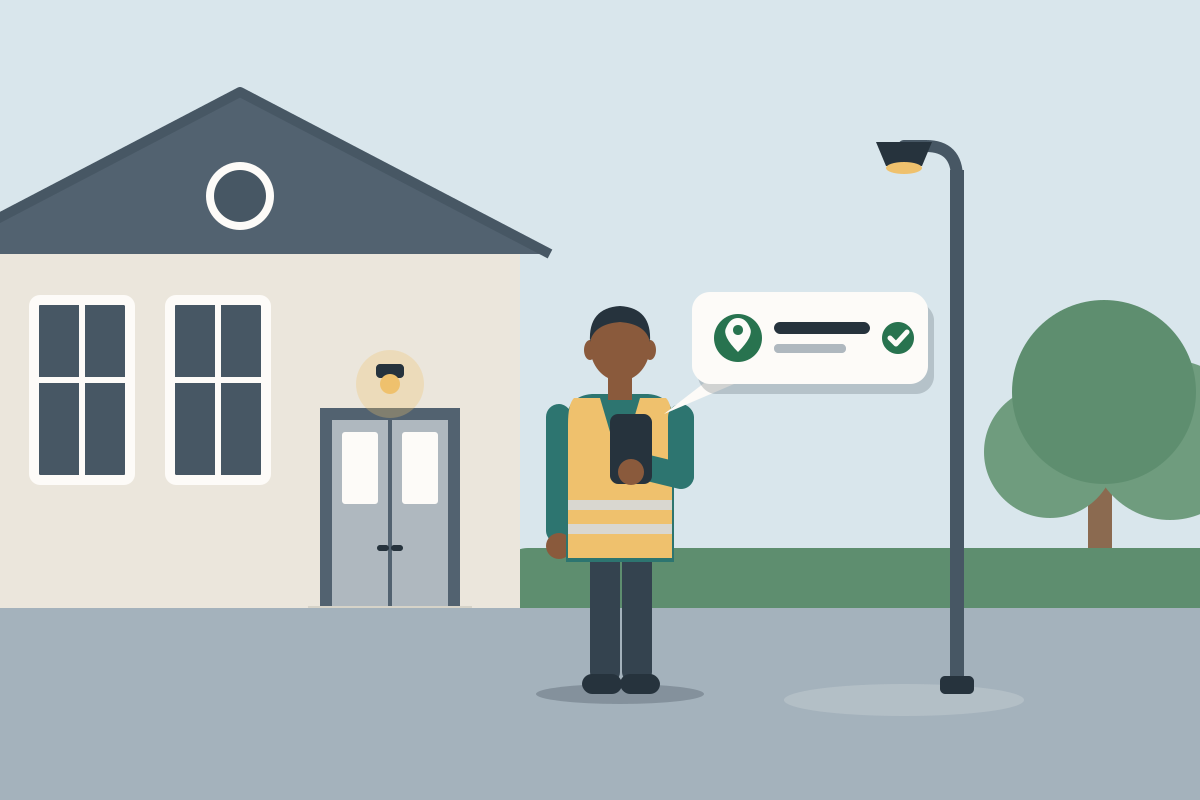
 Lone Working and Personal SafetyRecognise the risks of working alone, plan and keep in contact, withdraw from danger and get help in an emergency.
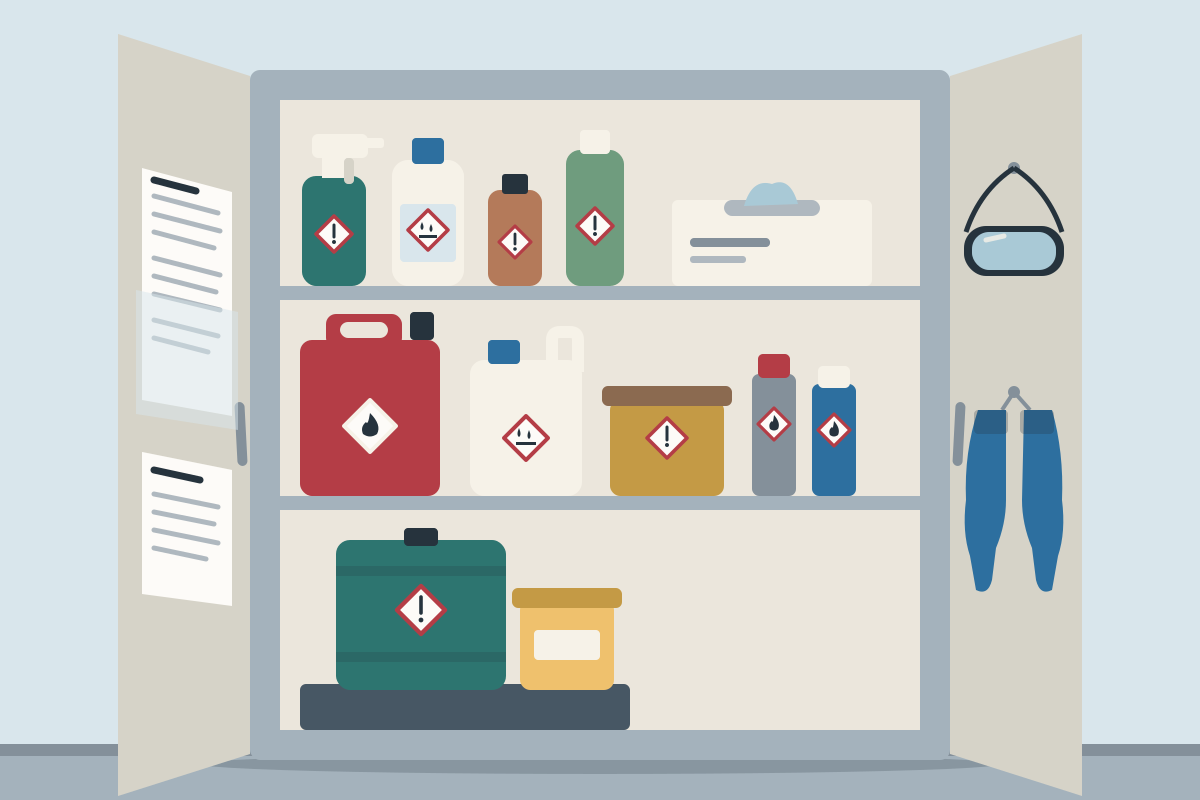
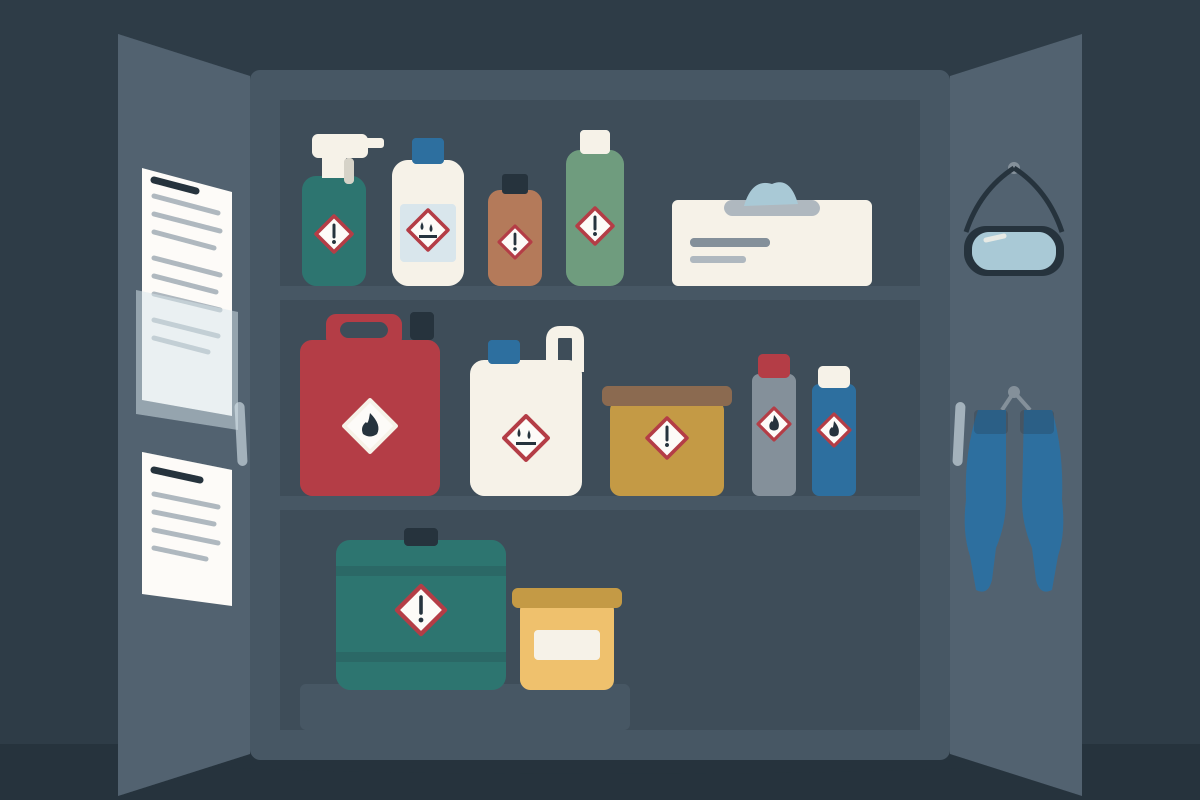 COSHH: Working Safely with Hazardous SubstancesRead a label and a safety data sheet, follow the council’s COSHH assessment, use, store and dispose of cleaning, fuel and grounds chemicals safely, and act on a spill or splash.
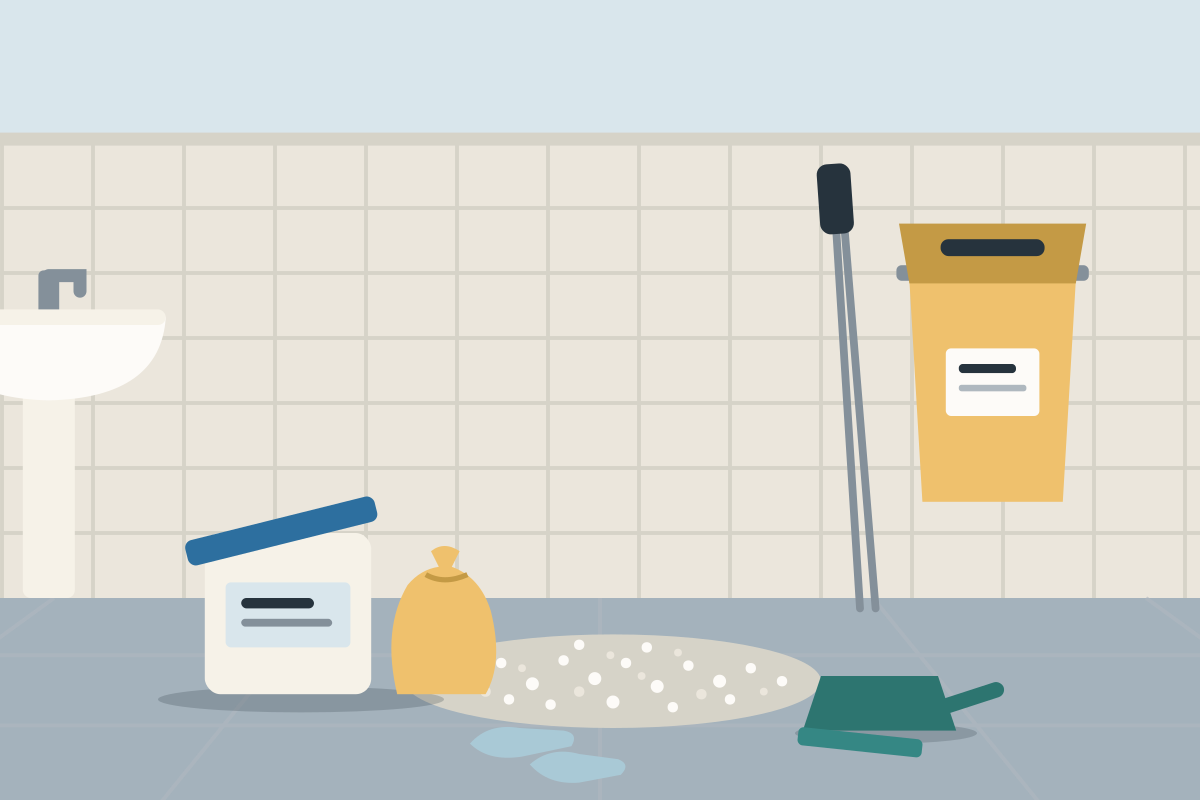
 Body Fluid Spills and Discarded NeedlesKeep people safe from blood, vomit and other body fluids, use a spill kit when you are trained to, leave a found needle untouched and report it, and know what to do at once after a needle injury or splash.

 Working at Height and Ladder SafetyRecognise work at height, check the ladder or stepladder your council supplies, and know when to stop and ask for a safer method.

 Personal Protective Equipment (PPE)Why protective equipment comes last, and how to wear, check, look after and report faults in the eye and face, hearing, hand, foot, head, high-visibility and breathing protection your council provides.

 Work Equipment Safety (PUWER)Check equipment before use and report defects, keep guards as intended, clear a blockage only if authorised and after isolating it as instructed, cut noise and vibration risks, and keep clear of reversing vehicles.

 Asbestos AwarenessRecognise where asbestos may be in a council building, find out what your employer must confirm before work that could disturb it, and know how to stop, get clear, keep people out and report suspected damage.
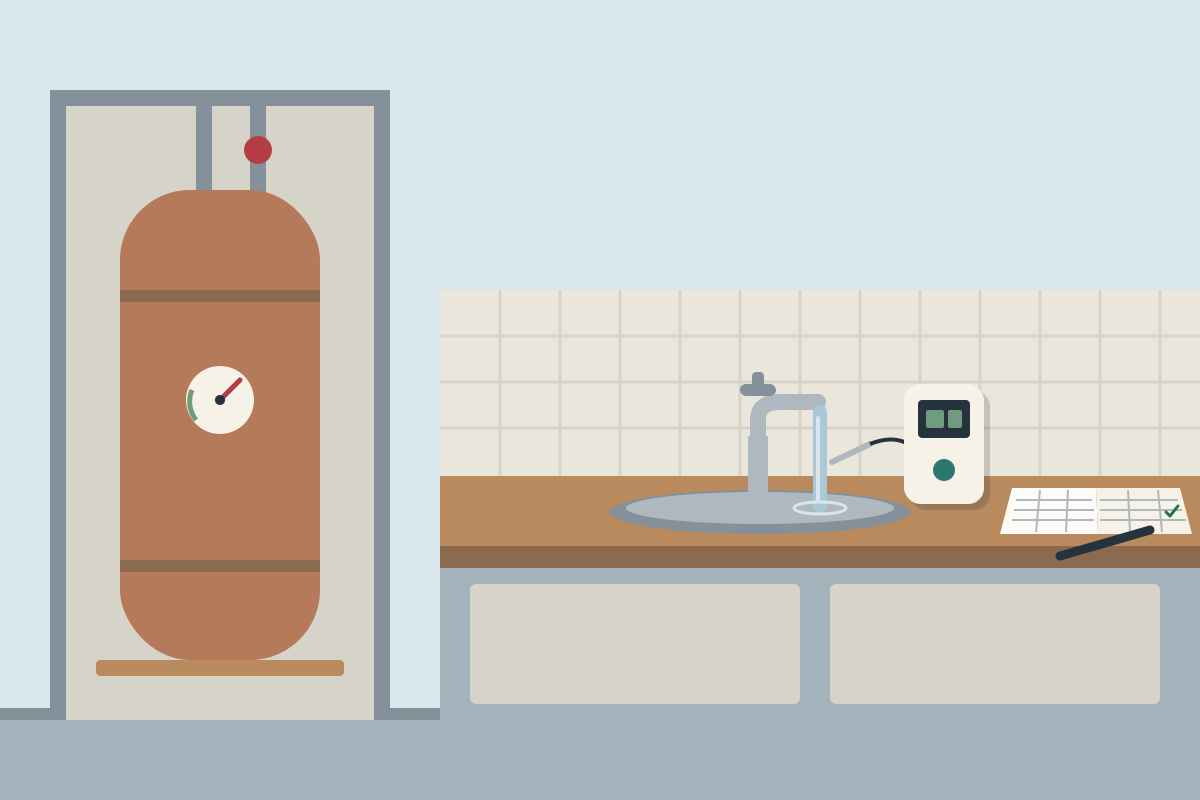
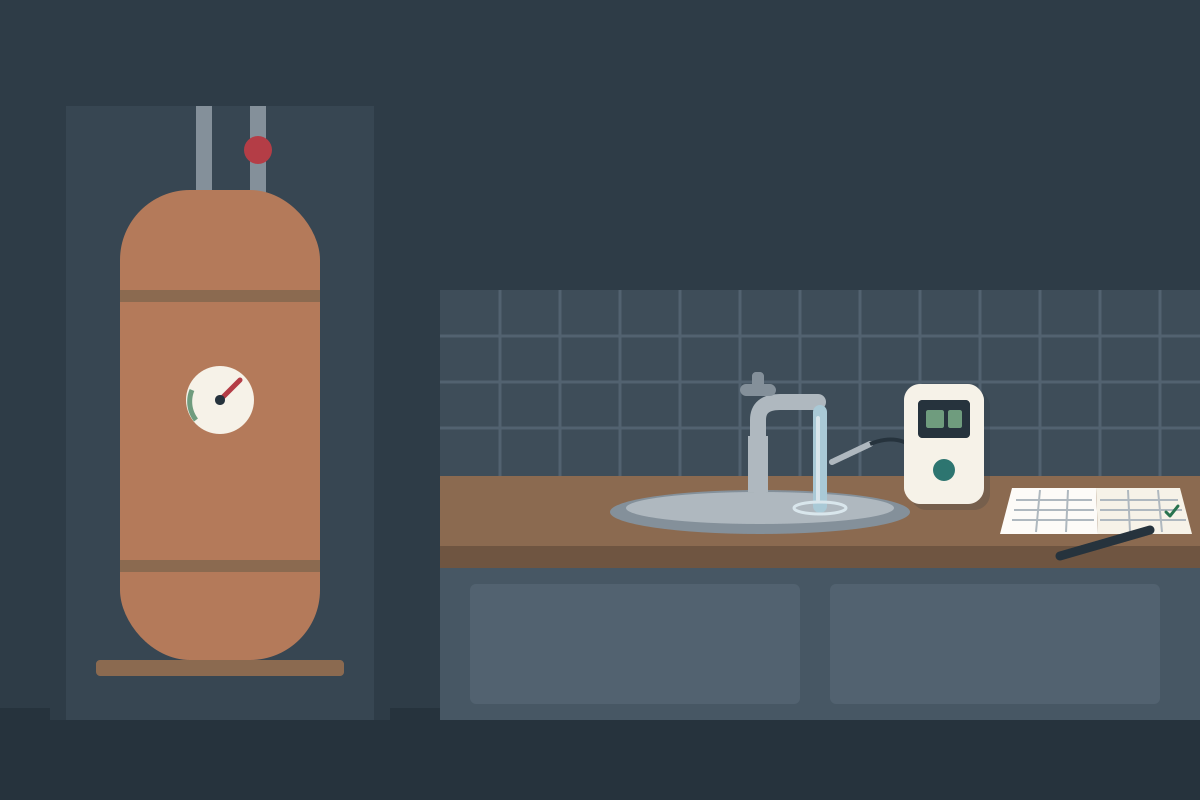 Legionella AwarenessKnow where legionella grows in a building’s water, carry out the routine checks you are asked to do, and report what is not right.

 Stress and Mental Health at WorkUnderstand work-related stress and what your council must do about it, know what helps and where to turn, support a colleague who is struggling, and, in an optional lesson, respond with care when someone may be thinking of suicide.
Working with people
Six courses

 Safeguarding Children and AdultsNotice possible harm to a child or an adult, keep them safe, listen without investigating, record the facts and pass the concern on.

 Sexual Harassment: Prevention and ResponseRecognise sexual harassment, help prevent it, step in safely as a witness, and report, support and respond well to a concern.

 Equality, Inclusion and Support at WorkRecognise equality concerns, reduce barriers at work, support colleagues, including with neurodiversity and the menopause, and raise concerns.

 Handling Difficult Conversations and ConflictPrepare for a difficult conversation, listen, set clear boundaries, agree next steps, and withdraw and report if it becomes unsafe.

 Managing People: A Line Manager’s EssentialsLead a team as a new line manager: set clear expectations, give and take feedback, coach and mentor, recruit fairly, manage probation, absence and performance, tell people news they won’t welcome, and know when a matter needs a formal procedure and advice.

 Customer Service for Local CouncilsFind out what someone needs, explain clearly and accessibly, record and hand over the enquiry, and pass concerns to the right person.
Information and governance
Six courses

 GDPR and Data ProtectionRecognise personal information, stay within your authority when you handle it and get help when the next step is unclear.

 Handling Information Requests: FOI, EIR and SARsRecognise FOI, EIR and subject access requests, refer them promptly, keep to the right deadline, and help find and keep the information.
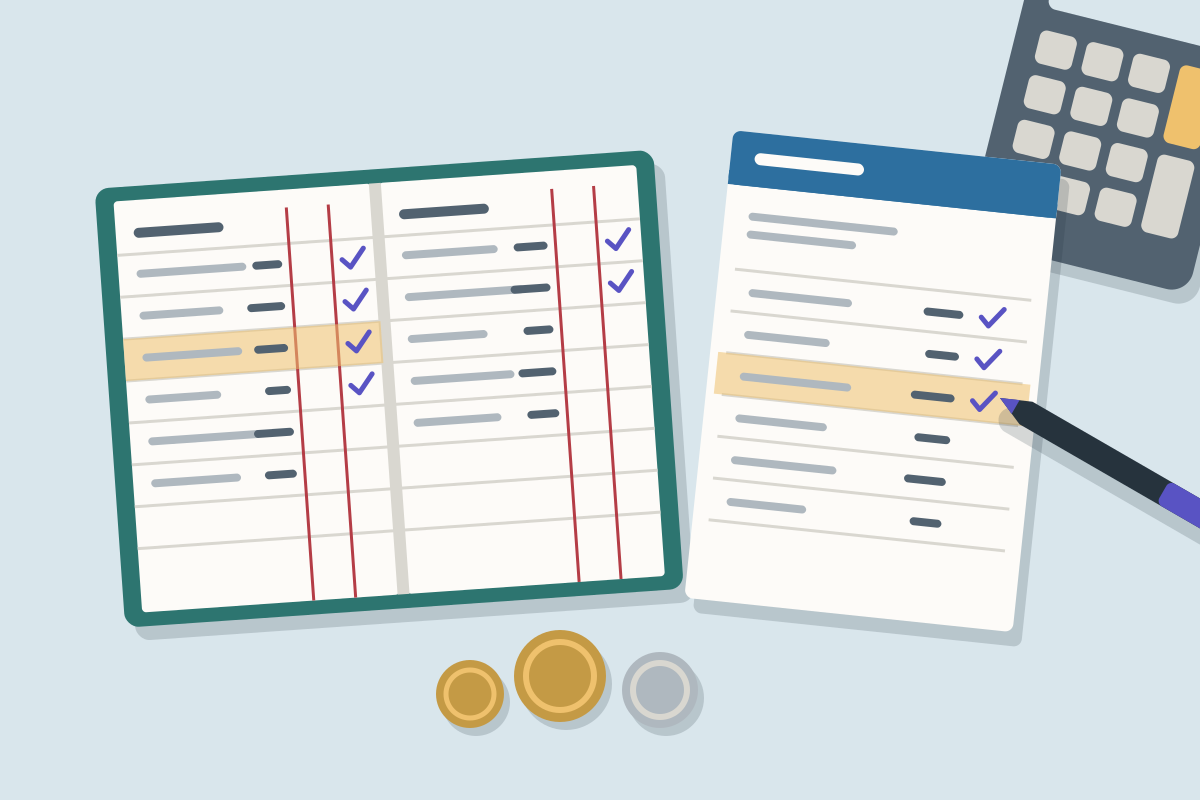
 Council Finance, Financial Controls and AGARCommit and pay public money within your authority, check payment changes, reconcile accounts, read budget reports and follow the annual AGAR steps.

 Councillor Essentials: Your Role, Powers and DecisionsUnderstand what your council is and may do, how it decides together, your part beside the clerk, and how to prepare for meetings and deal with the public and press.

 Councillor Conduct, Interests and CivilityUnderstand a councillor’s responsibilities, challenge respectfully, declare interests, keep an open mind and report concerns by the right route.

 Council Meetings: Agendas, Minutes and Lawful DecisionsCall and run a town or parish council meeting lawfully: the summons and agenda, the quorum, votes and interests, the public and private items, the minutes, and fair chairing.
Digital skills
Seven courses

 Cyber Security AwarenessMake safer decisions about messages, accounts, devices and work information, check unusual requests and report concerns promptly.

 Using AI Responsibly at Work, Including Microsoft CopilotUse AI tools such as Copilot only for approved tasks, protect what you put in, check the facts and figures that come out, and keep a record.

 Creating Accessible Documents and Web ContentMake documents and web pages everyone can use: clear structure, images and media, simple tables, accessible PDFs and checks before you hand over.

 Outlook EssentialsWrite clear emails to the right people, share a link instead of a copy, find messages, arrange meetings and make your messages accessible.
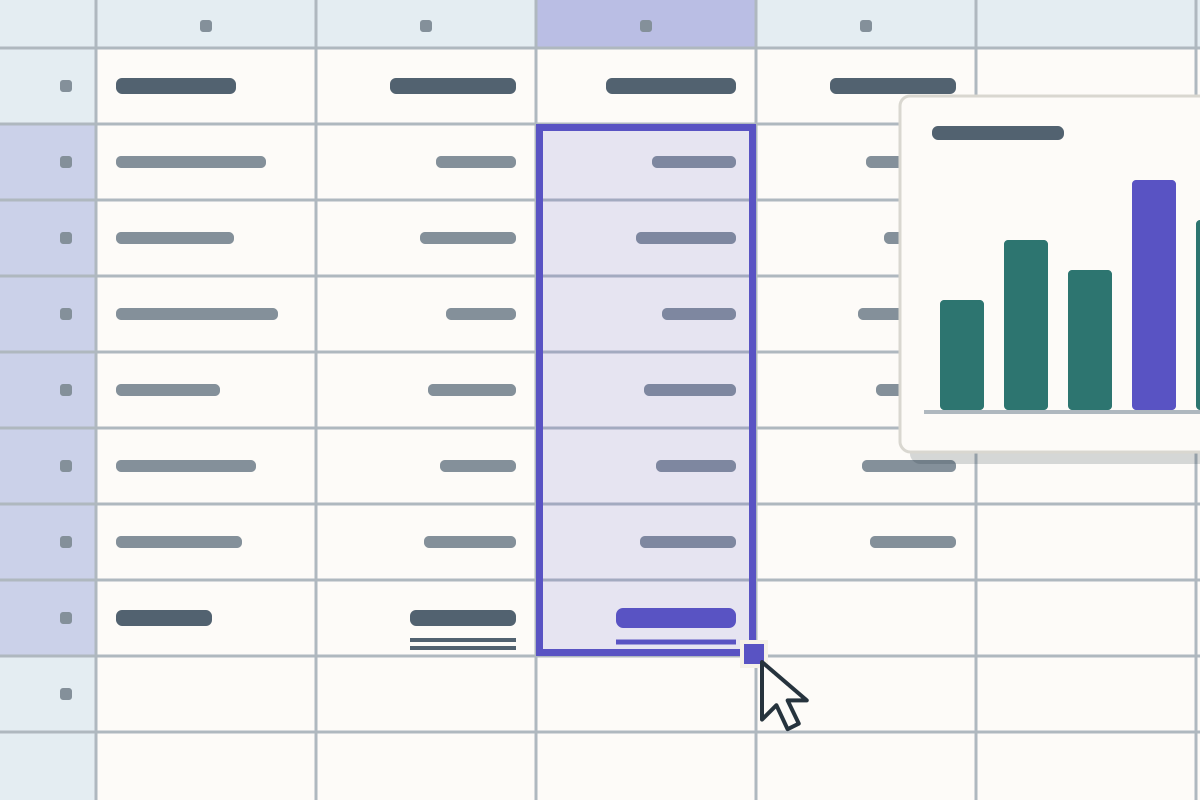
 Excel EssentialsStart a spreadsheet safely, enter and format data, calculate and copy formulas, organise records and check your work before you hand it on.

 Teams EssentialsPost in the right place for the right people, reply usefully, keep on top of notifications, run meetings and share files, including with people outside the council.

 OneDrive and SharePoint EssentialsChoose where a file belongs, work on it together, share it with the right people, recover an earlier version or a deleted file, and understand syncing.
See Pavryn Learn for yourself
A demonstration takes you through a learner’s course and the officer’s reports.