

Lone Working and Personal Safety
Recognise the risks of working alone, plan and keep in contact, withdraw from danger and get help in an emergency.
Content last checked on 21 October 2026. Some of its sources were checked again on 18 November 2026.
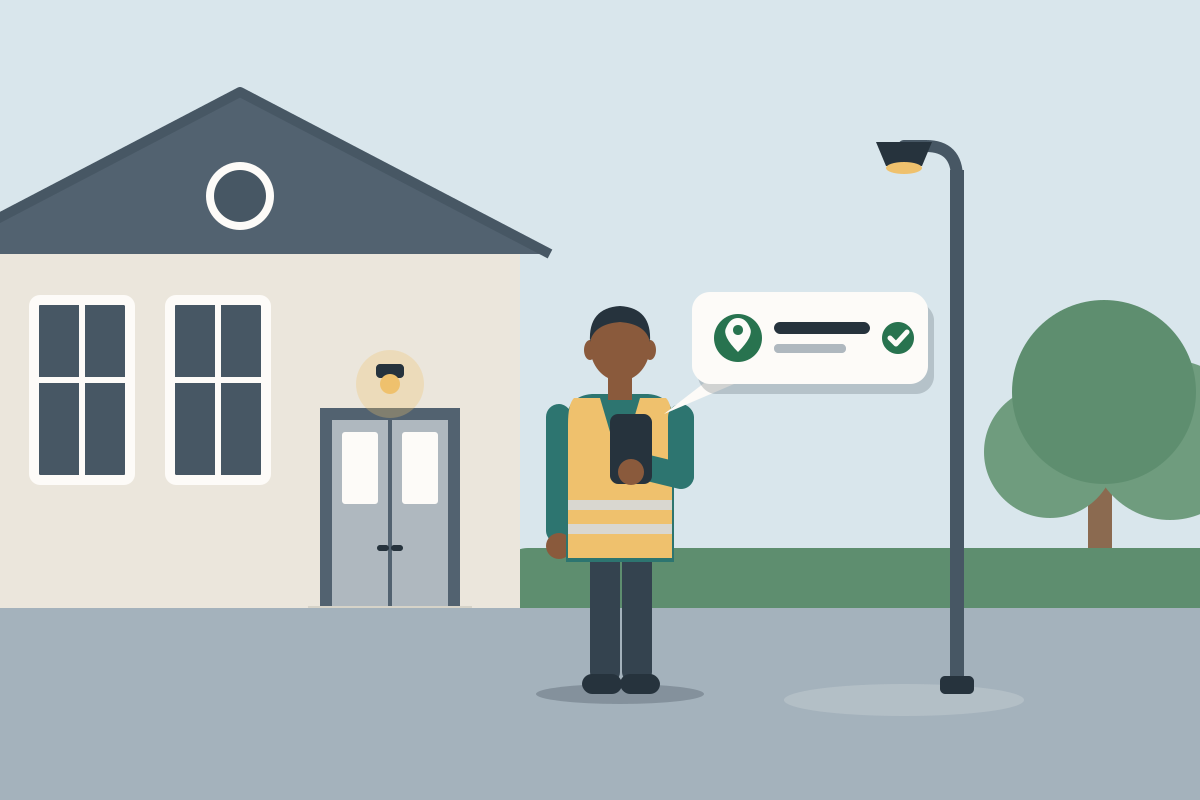
About this course
- Who it is for
- Council staff who work alone, their supervisors and the people they keep in contact with.
- How long it takes
- About 61 minutes if you read the lessons, or 68 if you listen to them, including the final assessment. An estimate from the course’s length, not yet timed with learners.
The lessons
- Recognise the risks and limits
- Prepare the task and keep effective contact
- Recognise aggression and withdraw safely
- Emergencies, reporting and support
What you will be able to do
- Know when you are working alone, even with other people in the building who could not help you.
- Know what the council must arrange before you work alone, and your part in following those arrangements.
- Know that the council, not this course, decides which tasks you may do alone and how.
- Spot the hazards that are harder to deal with when no one nearby can help, and raise them before you start.
- Check before a visit that you are authorised for the task and know the site, its exits and how to get help.
- Keep to the agreed check-in arrangement, whether you are working alone or are the person they check in with.
- Stop the task when a check-in fails or the plan changes, until a new arrangement is agreed.
- Spot threatening behaviour or a situation getting worse, without judging anyone by their appearance or manner.
- Leave by a safe route and get help, without first having to calm someone down and without physical intervention.
- Call 999 from a safe place when anyone is in immediate danger, and leave rescue to trained responders.
- Give emergency services a location and access details they can find, not a nickname only your team knows.
- Report incidents, near misses and failed arrangements with the facts you know, and ask for support afterwards.
The law and guidance it rests on
The sources the course’s content was checked against, each with what it asks of a council and a link to the official text.
Health and Safety at Work etc. Act 1974
An employer must protect the health, safety and welfare of its staff and of others its work affects; staff must take reasonable care and co-operate.
Management of Health and Safety at Work Regulations 1999
An employer must assess the risks of work, including working alone, and put controls in place.
Health and Safety (First-Aid) Regulations 1981
An employer must provide adequate first-aid arrangements, which have to work for someone on their own.
Reporting of Injuries, Diseases and Dangerous Occurrences Regulations 2013 (RIDDOR)
The responsible person must report certain injuries and dangerous occurrences, including some caused by violence at work, to HSE.
HSE: protecting lone workers (INDG73)
HSE’s guide to managing the risks of working alone, including contact and supervision.
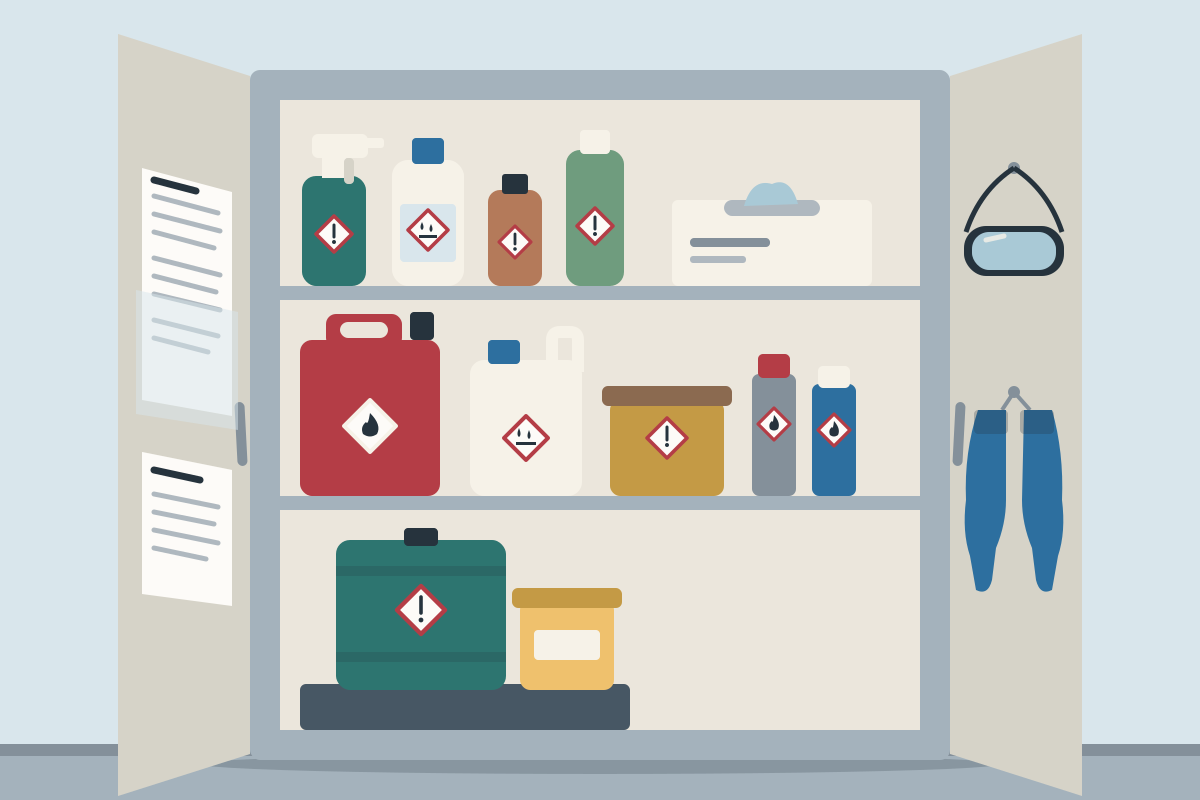
See Pavryn Learn for yourself
A demonstration takes you through a learner’s course and the officer’s reports.